
Housing affordability is a major cornerstone of today’s federal budget. To tackle the out-priced housing market the feds will set aside $10 billion over five years.
The plan includes setting up tax-free savings accounts for first-time homebuyers.
It will also make it illegal for foreign nationals to buy up inventory. That’s in order to free up inventory in the tight housing market.
As part of the housing affordability plan, municipalities will be able to access $4 billion over five years to build new housing.
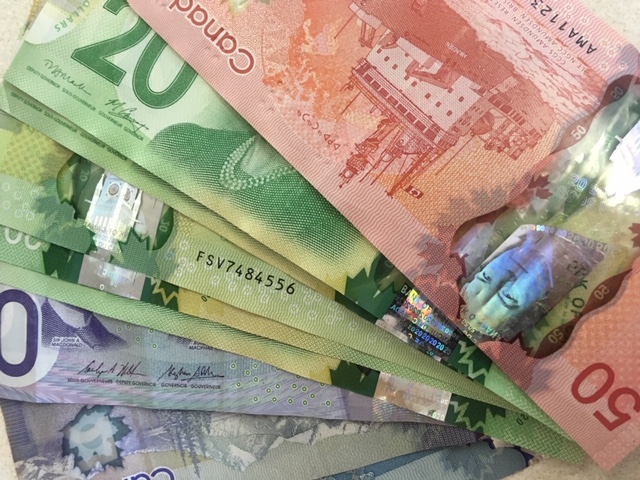
To help people facing housing affordability issues the government is proposing a one-time $500 payment. No specific details were given as to when that would be available.
Also included in today’s budget is $8 billion in defence spending over five years.
In order to pay for some of these new programs, the government will levy a 16.5-percent corporate income tax on the country’s big banks and insurers which have seen record profits during the pandemic. That’s up from the current 15-percent.
Over $5 billion is earmarked, also over five years, for universal dental care which will begin this year for children under 12, but there is no mention of pharmacare in this budget.
As part of Budget 2022, there is $4.3 billion earmarked over seven years to improve Indigenous housing across the country. There is already $20 billion set aside for the First Nations Child and Family Services once a settlement agreement is reached. Of that, $2 billion will be used for the needs of Indigenous children. Over seven years government spending on improving Indigenous housing will be $6.3 billion.
In order to tackle climate change, the federal budget proposes $3 billion to make zero-emission vehicles more affordable for Canadians and incentives for the development of clean technologies as well as carbon capture and storage to reduce emissions.
The country’s deficit is expected to be $113 billion in 2021-22, that’s down from the prior estimate of $144 billion and is projected to decline year over year to $8.4 billion in 2026-2027.
In total, the budget proposes $60 billion in new spending. Finance Minister and Deputy Prime Minister Chrystia Freeland say this is a modest budget and deficits have to be reduced, particularly the deficit created by pandemic spending. Freeland says it must and will be paid down.
The budget is expected to pass easily after the Liberals and NDP entered into an agreement that will see the NDP vote to prop up the minority Liberals.